
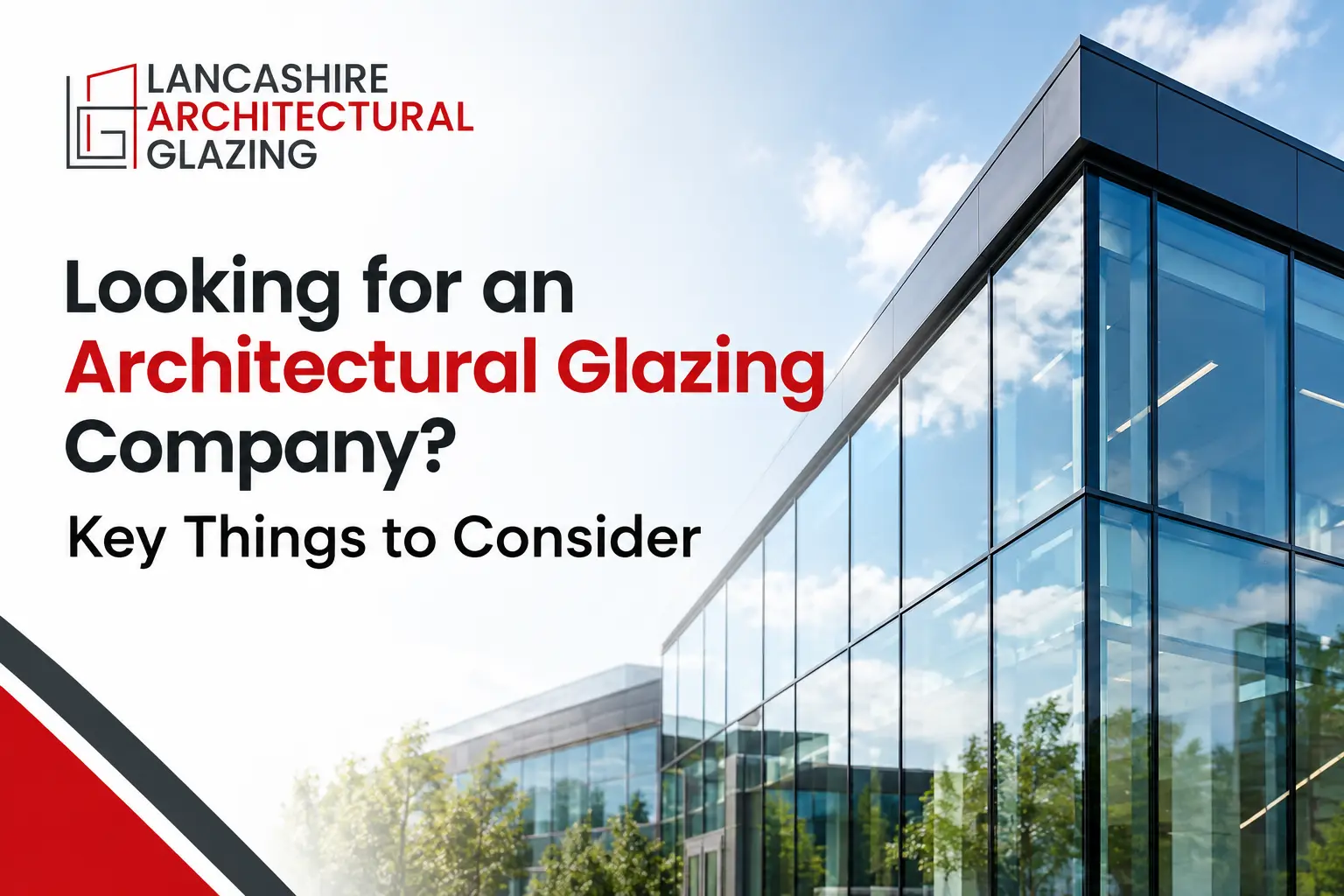
Choosing glass for an architectural project is rarely just about how it looks. The right glazing needs to suit the building work with its design, and deliver the performance the space requires. This is why choosing the right architectural glazing company is a part of the planning process. Whether you need glazed areas, structural glazing, commercial glazing or a solution for an existing building, the company you work with can make a significant difference to the finished result.
A good glazing system should look right, but it should also be practical, durable and suitable for the way the building is used. From the type of glass and framing system to installation and finishing, several details need to come together.
What Is Architectural Glazing?
Architectural glazing is a term that refers to glazing solutions that are a key part of a building’s design and its practical function. Architectural glazing can bring light into a space and make the space look more open and bright.
Architectural glazing can also match the style of a property, and it is not limited to one type of installation. Depending on the building and the project requirements, architectural glazing can involve systems, frames and applications.
Types Of Glazing To Consider
Structural Glazing: Structural glazing is often considered when a project calls for a contemporary appearance. It can create areas of glass with reduced visible framing, allowing the glazing to become a strong feature of the building’s design. This type of system can work well where the aim is to create a modern open appearance. However, the visual effect is one part of the decision.
Before choosing structural glazing, consider:
- How the system will work with the building structure
- The size and position of the glazed areas
- How the glass will be supported and fixed
- The type of glass required
- Access and installation conditions
A specialist should assess these factors before confirming whether structural glazing is suitable for the project or not.
Commercial Glazing: Commercial glazing covers a range of glazing applications used in business and public buildings. Offices, spaces, educational premises and other commercial properties can all have different requirements. For example, a retail property may place emphasis on its shopfront and entrance, while an office may require extensive glazing to create bright working areas.
When considering commercial glazing, think about:
- Building use: First match the glazing to how the space will be used.
- Foot traffic: Consider areas that experience frequent use.
- Property appearance: Choose glazing that complements the building’s design.
- Natural light: Consider where more daylight is needed.
- Maintenance: Ensure the glazing is easy to clean and maintain.
The purpose is to select glazing that fits the property rather than simply choosing a system because it is commonly used in commercial buildings.
Curtain Walling and Aluminium Glazing
Curtain walling is another option commonly associated with commercial architecture. It can create glazed elevations while forming part of the building’s external envelope.
Aluminium windows and doors can also be incorporated into a project where strength, durability and a contemporary appearance are required.
These systems can work alongside forms of architectural glazing depending on the design and requirements of the property.
Aluminium Secondary Glazing: For an existing property, completely replacing the windows may not always be the only approach. Aluminium secondary glazing can be considered for refurbishment projects where the original windows are to remain in place. Secondary glazing involves adding another glazed system inside an existing window. This means the original window does not necessarily need to be removed.
However, aluminium secondary glazing should not be treated as a solution. The existing window design, space, condition of the building and intended performance improvements all need to be considered.
What To Ask Before You Choose A Company?
- Relevant experience: Experience with projects similar to yours, including structural and commercial glazing.
- Certification and compliance: Compliance with relevant safety and building requirements.
- Design and installation: A complete service covering design, preparation and installation.
- Materials and systems: Quality materials and glazing systems suited to the project.
- Communication: Clear and consistent communication throughout the project.
- Aftercare: Reliable maintenance and support after installation is a plus.
Asking these questions before you commit can save a lot of time and frustration later on.
Conclusion: Making The Right Choice
If your project needs glazing for a new building, structural glazing for a modern-style commercial building, or aluminium secondary glazing to upgrade an old building, the company you pick must really focus on getting every detail correct ,not just deliver and install glass. Take time to ask questions, review work and compare several companies before you decide. A good architectural glazing company will gladly answer every question.
FAQs:
1. What Should You Look For In An Architectural Glazing Company?
Look for relevant project experience, suitable glazing systems, quality materials, clear communication and professional installation.
2. When Is Structural Glazing A Suitable Choice?
Structural glazing can be considered when a project requires large areas of glass with minimal visible framing and a clean, contemporary appearance.
3. Can Aluminium Secondary Glazing Be Used In Older Properties?
Yes, aluminium secondary glazing can be considered for suitable refurbishment projects where the original windows are intended to remain in place.
4. How Does Architectural Glazing Affect A Building’s Design?
Architectural glazing can bring natural light into a building, create a more open appearance and complement the overall architectural style.
Comments are closed