
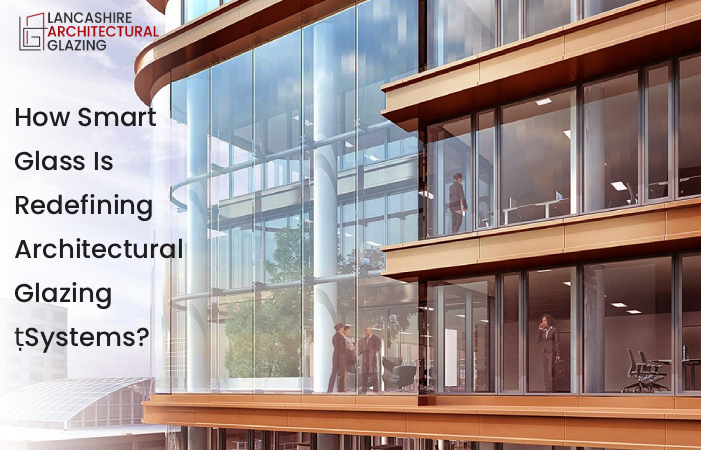
Over the past few years, the construction and design industry has undergone a significant transformation, particularly in modern cities such as London. Smart glass is one of the most innovative items driving this change and is defining the future of understanding the relationship between buildings and light, comfort, and energy. Due to the growing demand in the architectural glazing company, characterized by advanced technology, architects and project developers are keen to explore materials that offer both beauty and functionality.
Smart glass is also emerging as a disruptive factor in a range of solutions, such as frameless structural glazing and aluminium secondary glazing, which enable seamless high-performance building envelopes that are the best in modern spaces.
What Makes Smart Glass Stand Out?
Smart glass, also known as switchable glass or intelligent glazing, can be electrically switched between opaque and transparent states. Put simply, it may revert to either transparent or opaque and back to its structure without altering its physical appearance. The practice is now common in commercial, corporate, and other premises in London. It maximizes natural daylight utilization, limits glare, and enhances interior comfort, making it an attractive option in the current glazing systems.
Smart glazing mixes minimalism and innovation as opposed to conventional window systems. Combined with frameless structural glazing, it provides a smooth, continuous aesthetic of inside and outside spaces. This is why the top architects are likely to refer to an architectural glazing company that specializes in high-end glazing technologies for projects where style and smart operations are crucial.
Growing Popularity in London’s Modern Architecture
The London skyline is constantly undergoing development, and new commercial tower buildings, office spaces, and luxury apartments demand high-performance glazing solutions. Smart glass has emerged as a desirable choice for such development, as it reduces reliance on blinds, curtains, or artificial light in the day. Frameless structural glazing boasts a light yet powerful appearance, making facades appear spacious and not heavy. With the addition of a switchable smart glass, the structure can be given an element of the future, which would fit well with London’s architectural development. In the meantime, the aluminium secondary glazing provides additional insulation and sound absorption, which contributes to the interior comfort in both new and old buildings.
Smart Glass and Sustainable Glazing Solutions
This aligns with the mixed climate of London and is therefore applicable in high-rise apartments, corporate buildings, and even heritage buildings, where maintaining a balance of energy is essential.
For many building owners, installing aluminium secondary glazing is an attractive option. It adds a layer of insulation but does not change the external look, which is particularly useful in conservation zones. As more projects adopt the use of frameless facades, an effective architectural glazing company would ensure seamless implementation between intelligent glazing applications and modern or old-fashioned structures.
Applications Beyond Commercial Structures
Frameless structural glazing applied to staircases, skylights, or facade extensions generates an open and graceful space that is not blocked by heavy frames. On the same note, aluminium secondary glazing provides sound insulation, making it suitable for properties situated near highways, rail stations, or congested cities. It is used in conjunction with smart glass to enhance buildings in which noise reduction and thermal comfort are of equal importance to other design features.
Choosing the Right Architectural Glazing Partner
With the growing need for intelligent glazing, it would be essential to choose an experienced architectural glazing company. Glazing systems installed in tower buildings, extensions, and renovation projects must be carefully engineered, used, and installed to ensure optimal performance and efficiency. The appropriate glazing partner should advise on the structural load-bearing, glass depth, and the most suitable system for a particular design.
Smart glass is the next phase in the construction design and energy-saving architecture. Its active functionality and contemporary look are gradually shaping the architectural styles in London. It can be combined with frameless structural glazing to enhance the design of building facades, and combined with aluminium secondary glazing to increase the insulation abilities. The future of modern construction is undoubtedly heading in the direction of intelligent materials, and smart glass is leading that development.
The new generation of glazing products has provided architects, developers, and property owners with a broader range of options that strike a balance between performance and aesthetics, a new dawn for the glazing industry.
Comments are closed